Managing August Humidity in Longwood: Indoor Air Quality Solutions
For homeowners in Longwood, managing indoor humidity is an important part of maintaining comfort during Florida's hot and humid climate. By taking proactive steps to control moisture, you can improve your home's air quality, reduce energy costs, and protect your property from humidity-related damage.
Why Indoor Humidity Matters
Humidity affects more than just how your home feels. When indoor moisture levels become too high, they can contribute to several issues, including:
- Mold and mildew growth
- Musty odors
- Increased allergens
- Warped wood flooring or furniture
- Poor sleep and discomfort
- Reduced HVAC efficiency
The ideal indoor humidity level is generally between 30% and 50%. During August, however, homes without proper moisture control can easily exceed that range, making your air conditioner work harder while leaving your home feeling sticky and uncomfortable.
Keep Your Air Conditioning System Running Efficiently
Your air conditioner plays a major role in removing excess humidity from your home. While its primary purpose is cooling, it also extracts moisture from the air during normal operation.
To help your AC perform at its best:
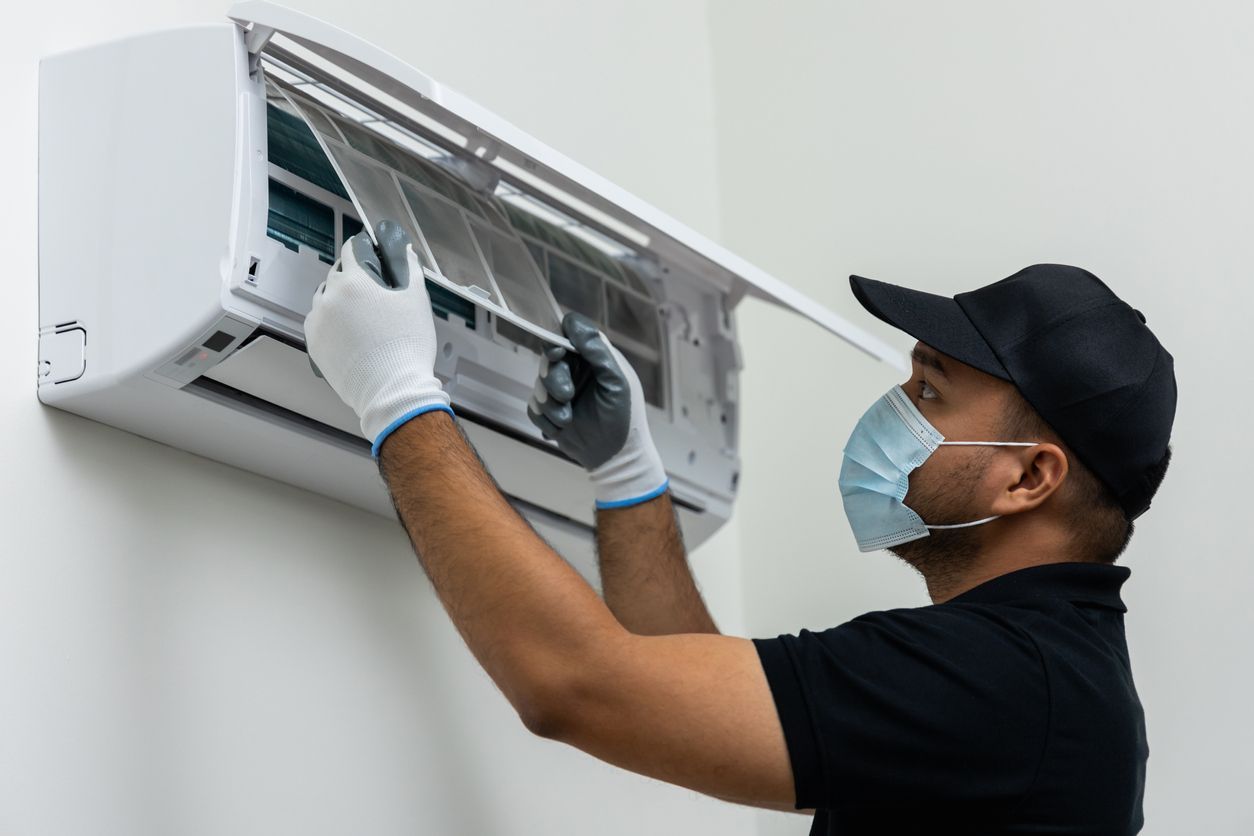
- Replace or clean your air filter regularly.
- Keep vents open and unobstructed.
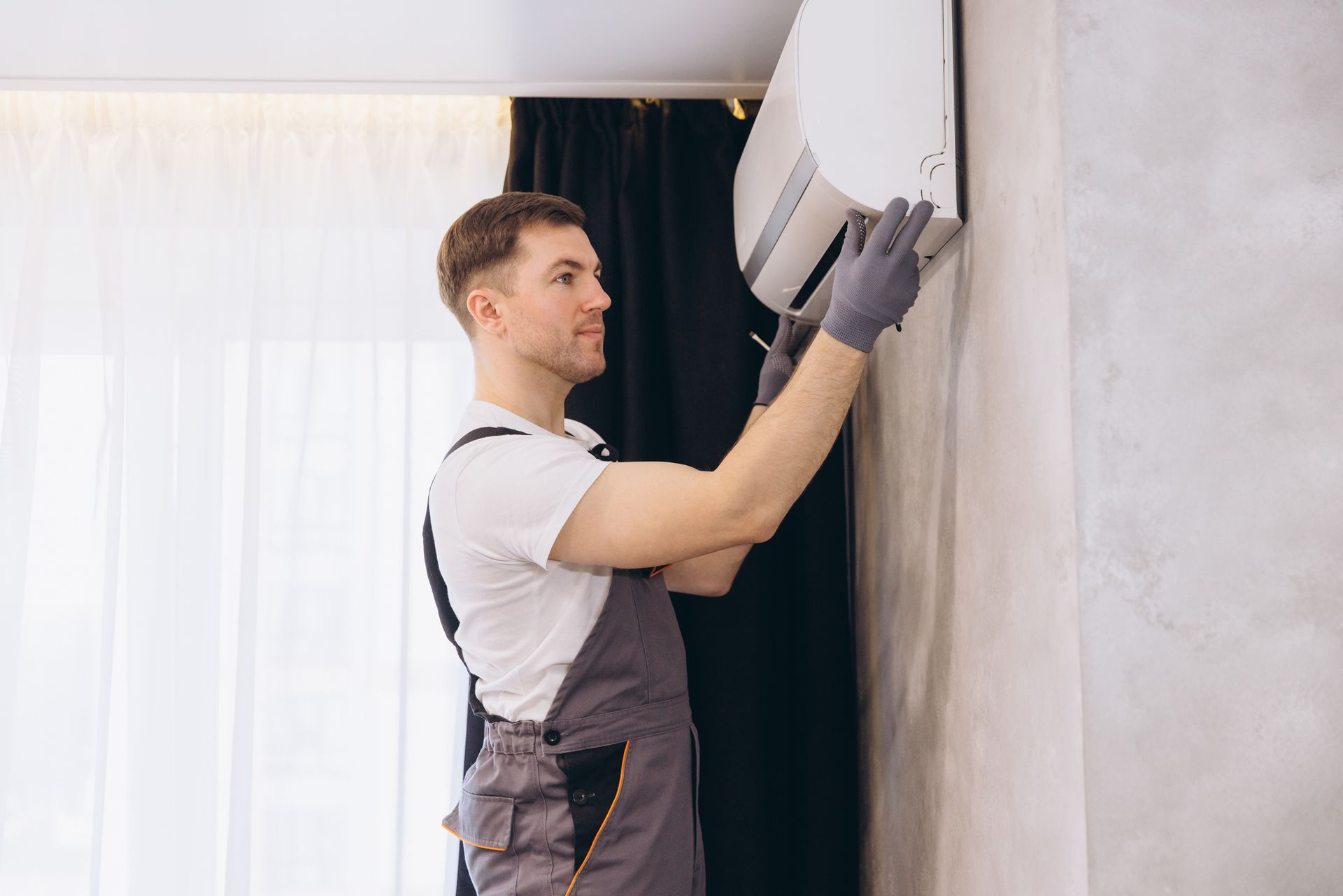
- Schedule routine HVAC maintenance.
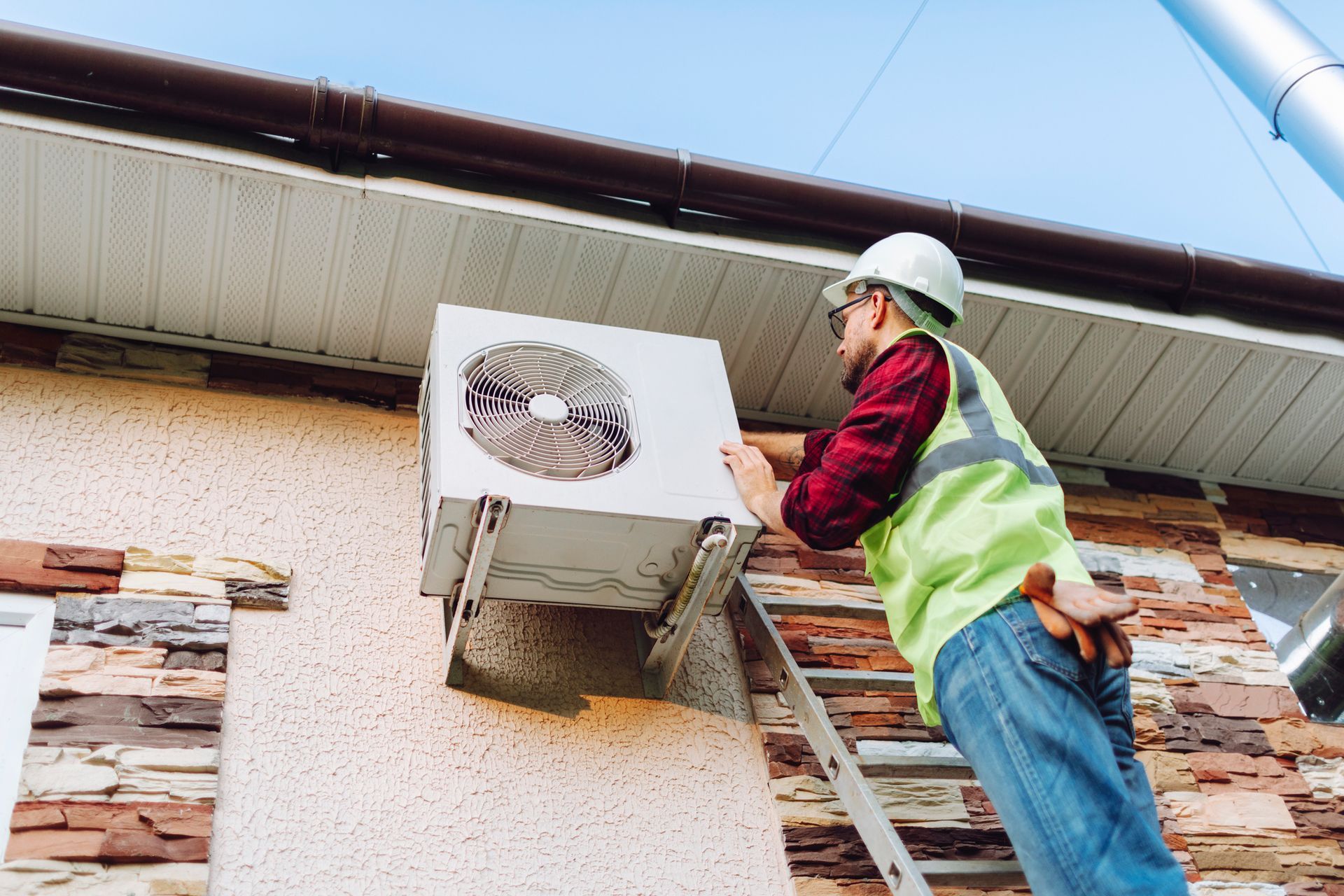
- Make sure the outdoor condenser remains free of debris.
If your home still feels humid even though the air conditioner is running, your system may require professional service or could be improperly sized for your home's cooling needs.
Improve Ventilation Throughout Your Home
Proper ventilation is another important factor in controlling indoor humidity. Moisture naturally builds up in kitchens, bathrooms, and laundry rooms where cooking, showering, and washing clothes generate excess humidity.
Help reduce indoor moisture by:
- Running bathroom exhaust fans during and after showers.
- Using kitchen range hoods while cooking.
- Venting clothes dryers properly to the outdoors.
- Opening windows only when outdoor humidity levels are lower.
Good ventilation removes excess moisture before it spreads throughout your home.
Seal Air Leaks
Warm, humid outdoor air can enter your home through gaps around windows, doors, and other openings. Even small leaks can increase indoor humidity and make your cooling system work harder.
Inspect your home for:
- Worn weatherstripping
- Cracked caulking
- Gaps around windows and doors
- Poorly sealed attic access points
Sealing these openings helps improve energy efficiency while keeping humid outdoor air from entering your living spaces.
Upgrade Your Air Filtration
Humidity often goes hand in hand with airborne pollutants like dust, pollen, mold spores, and pet dander. Upgrading your HVAC air filter can improve indoor air quality by capturing more of these particles before they circulate through your home.
High-efficiency filters help:
- Reduce allergens
- Improve respiratory comfort
- Keep HVAC components cleaner
- Support healthier indoor air
Be sure to choose a filter that is compatible with your HVAC system to maintain proper airflow.
Watch for Signs of Excess Humidity
Some humidity problems develop gradually, making them easy to overlook until larger issues arise. Keep an eye out for warning signs such as:
- Condensation on windows
- Persistent musty odors
- Mold or mildew around vents
- Peeling paint or wallpaper
- Damp spots on ceilings or walls
- Increased allergy symptoms indoors
If you notice any of these signs, it's important to identify and address the source of excess moisture before it causes more extensive damage.
Schedule an Indoor Air Quality Assessment
If your home consistently feels damp or uncomfortable despite running your air conditioner, a professional indoor air quality evaluation can help identify the underlying problem.
During an assessment, HVAC professionals can evaluate:
- Indoor humidity levels
- Airflow throughout the home
- HVAC system performance
- Air filtration effectiveness
- Ventilation issues
- Potential moisture sources
Based on the findings, they can recommend customized solutions such as dehumidifiers, air purifiers, ventilation improvements, or HVAC repairs that improve both comfort and efficiency.
Enjoy a Healthier Home This August
Managing indoor humidity doesn't just make your home feel cooler—it also creates a healthier living environment for your family while helping protect your home from moisture-related damage. With the right combination of HVAC maintenance, humidity control, and improved air quality solutions, you can stay comfortable throughout the hottest weeks of the year.
Schedule Your Indoor Air Quality Service Today
If you're struggling with high humidity or poor indoor air quality, our experienced HVAC professionals are here to help. We offer comprehensive indoor air quality solutions, HVAC maintenance, system evaluations, and more designed to keep your Longwood home comfortable all year long. Contact us at
Astoria Heating and Cooling today to schedule your indoor air quality assessment and enjoy cleaner, healthier air throughout every season.